MMCA Collection: Korean Modern and Contemporary Art II
Gwacheon · Apr 22, 2026 — Jun 27, 2027
2026-10-03
 CURRENT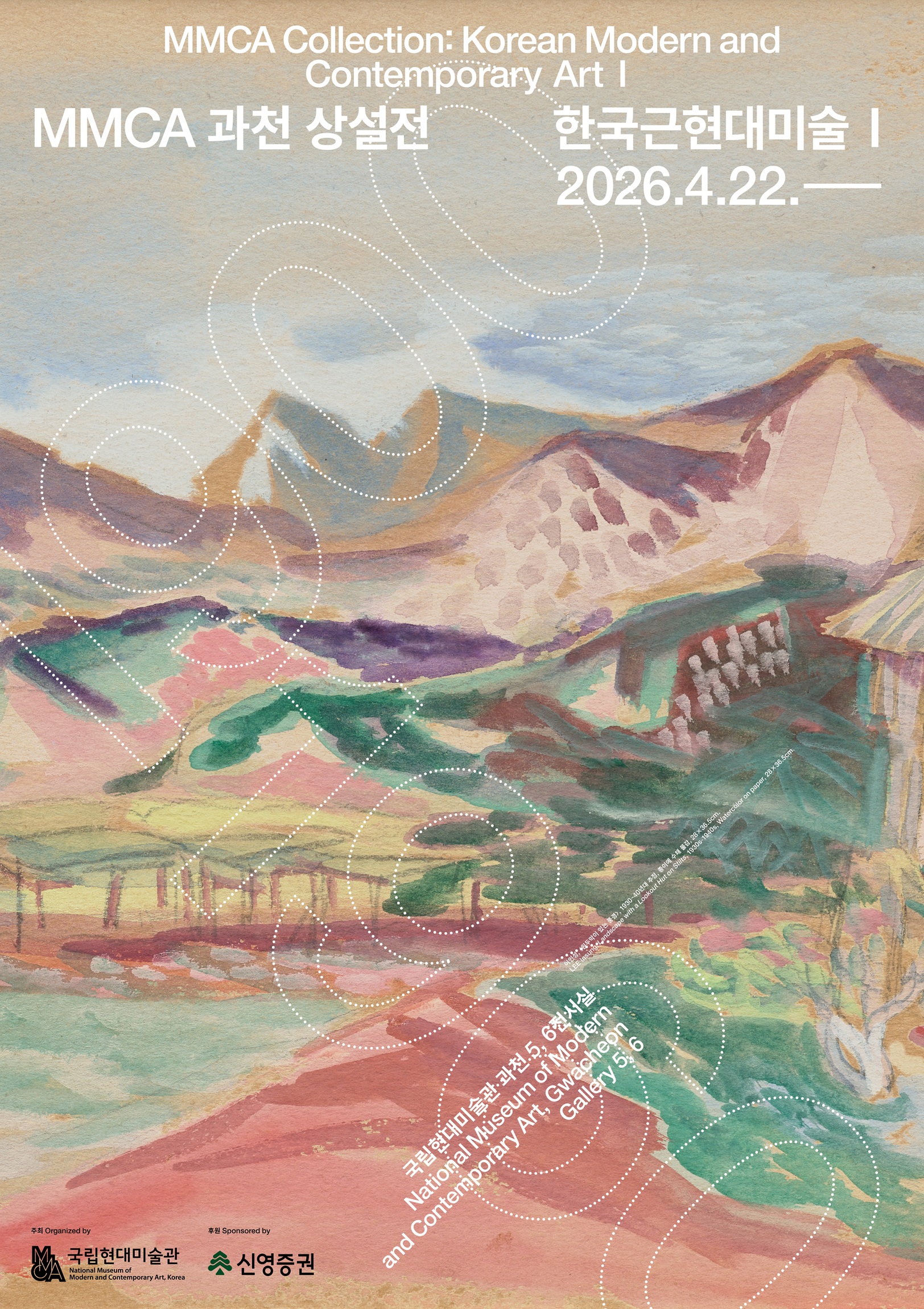
Check booking conditions with the organiser ↗An event website link does not confirm that online booking or overseas payment is available.
Confirm before you goOpening hours — Not confirmed
Provider information · 2026-10-03
Gwacheon
MMCA Gwacheon 3F, Gallery5, 6
Use the venue address to check a route from your accommodation. Travel times have not been verified.
Regional overview, not a street map. Simplified 2021 boundaries; small islands omitted in the source. geoBoundaries / Natural Earth · CC BY 4.0.
The MMCA Collection: Korean Modern and Contemporary Art I , presents 145 works from the National Museum of Modern and Contemporary Art, Korea’s collection, which were created in the first half of the 20th century.
The MMCA Collection: Korean Modern and Contemporary Art I , presents 145 works from the National Museum of Modern and Contemporary Art, Korea’s collection, which were created in the first half of the 20th century. This period encompasses the Korean Empire, the Enlightenment period, Japanese colonial rule, liberation, and the Korean War. From the late 19th century, Joseon’s intellectual community developed a growing interest in Western civilization, particularly science and technology. This shift was influenced by exchanges with both Japan and the Qing Dynasty. Inspired by Japan’s “leaving Asia, entering Europe” and the Qing Dynasty’s “Chinese learning as substance, Western learning for application” movements, the idea of “Eastern morals, Western technology” spread among the reformist intellectuals of Joseon’s Gaehwapa (Enlightenment School), advocating or the integration of Eastern values with Western advancements. At the same time, concerns arose over the threat that foreign influence posed to the nation’s culture and traditions. The introduction of photography and Western perspective techniques caused a visual shock in realistic representation. Meanwhile, as calligraphy and art education—which were traditionally off-limits to women—became accessible, more women began aspiring to become artists. The closure of the Dohwaseo, the Royal Bureau of Painting and a pivotal art education institution, highlighted the necessity for new art institutions and educational resources for painting and calligraphy. Although some artists returned from studying abroad with knowledge of new “art,” they often encountered a lack of understanding from those around them. Part 1, “ The Emergence of a New Perspective: Optics, Cameras, Modern Knowledge Systems, and Art” and Part 2, “The Explorati
Confirm admission, opening hours and any booking requirements before you travel.