
Gyeongju
Gyochon: a school, a family house and a reconstructed bridge
Gyochon is a neighbourhood where several periods can be considered together. The hyanggyo gives the village its school-related name, the Choi residence adds a family history, and Woljeonggyo places the walk by the river. Old houses and newly created hanok do not all belong to the same historical moment.
Inside this neighborhood
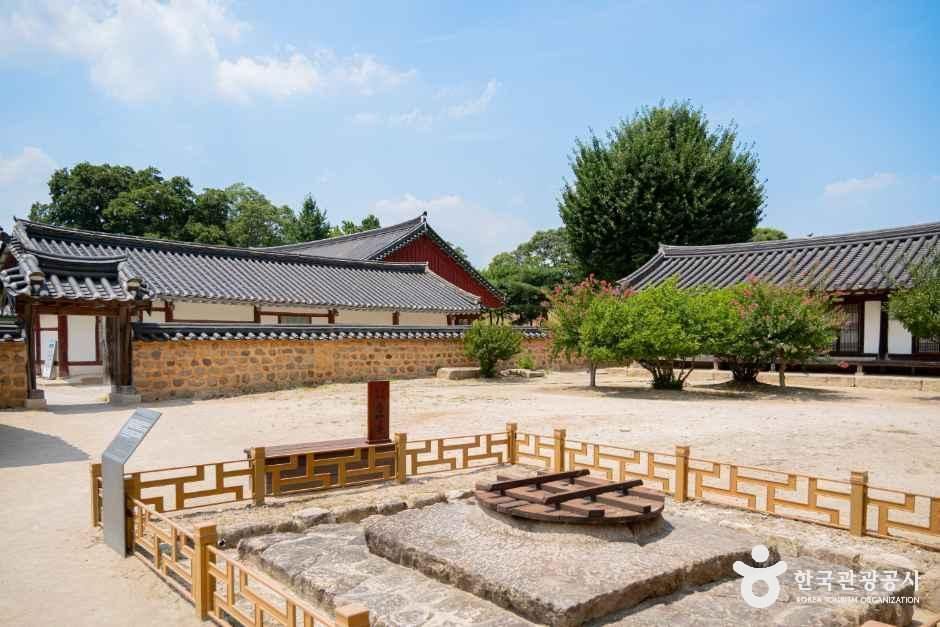
A village name tied to learning
Gyeongju’s official account connects the place with Silla’s Gukhak and its later educational institutions. The name Gyochon is linked to the hyanggyo. Those associations are useful when reading the village, without expecting every nearby building to date from the same period.
The city also distinguishes older houses from newly created hanok used for cultural experiences and contemporary businesses. Look at signs and uses as well as the roofs. A traditional architectural form can belong to a recent building.
Household history and ritual space
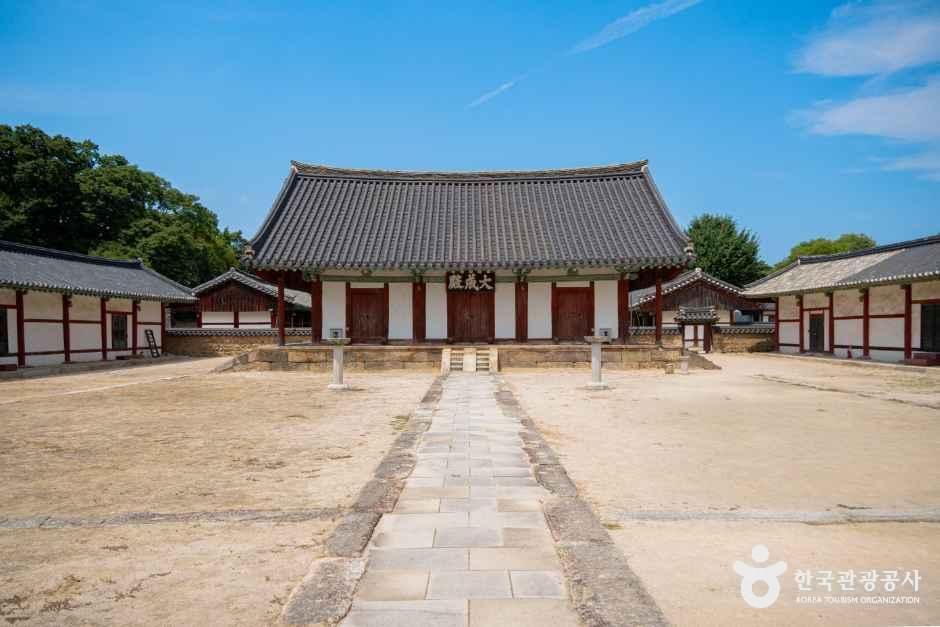
The Choi residence and Gyeongju Hyanggyo are named heritage places within the village. One brings a family’s history into the picture; the other concerns education and Confucian ritual. Choose the actual publicly open areas rather than treating the surrounding homes as part of an unlimited heritage park.
If a ceremony or an access restriction changes what you can see, respect it. An exterior look can still be worthwhile. This guide does not promise a scheduled ritual, a workshop place or access to every courtyard.
The bridge as a record of reconstruction
The city describes the present Woljeonggyo as a reconstruction completed in 2018, drawing on the bridge’s historical record and archaeological work. The roof, timber and painted structure that visitors see now should be understood with that distinction.
Make the riverside your final point only after choosing a current walking route. No particular lighting time or event is promised here. The bridge’s present appearance and the older story of a bridge at this location can both be interesting without being confused.
Scenes from the neighborhood
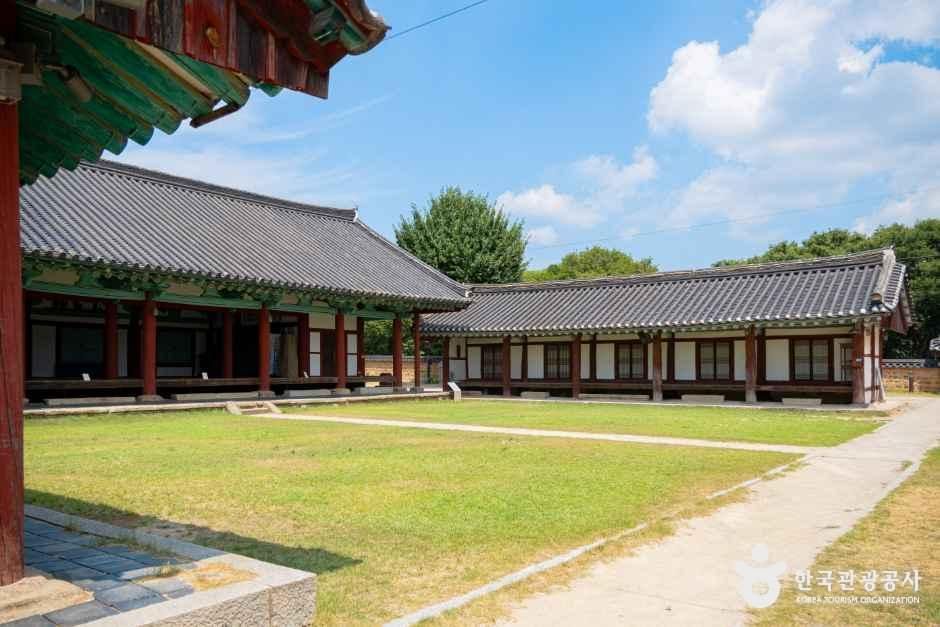
Places in this story
Find these places on the map ↗
Gyochon village lanes
경주시 교촌길 39-2 일대
Public lanes and privately run experiences have separate conditions.
Visit information ↗ · Find these places on the map ↗Gyeongju Hyanggyo
경주향교, 경주시 교동
Follow the open-area notice and respect ritual use.
Visit information ↗Choi family residence
경주최부자댁, 경주시 교동
Confirm the publicly accessible area; nearby homes are not included.
Visit information ↗Woljeonggyo Bridge
월정교, 경주시 남천
The visible bridge is a modern reconstruction, not untouched Silla-era timber.
Visit information ↗Before you go
- Search the separate Korean place names. The village address is an orientation reference, not the exact address of every building.
- Culture experiences, food businesses and house interiors can have separate charges and opening arrangements.
- Respect the hyanggyo’s ritual use and residents’ doors. No complete step-free route has been verified.
- Source photographs are undated. They show the identified places, not current opening conditions or a scheduled market day.
Sources
Information checked:
- www.gyeongju.go.kr · 2026-10-14
- www.gyeongju.go.kr · 2026-10-14
- www.gyeongju.go.kr · 2026-10-14
Another neighborhood, another story
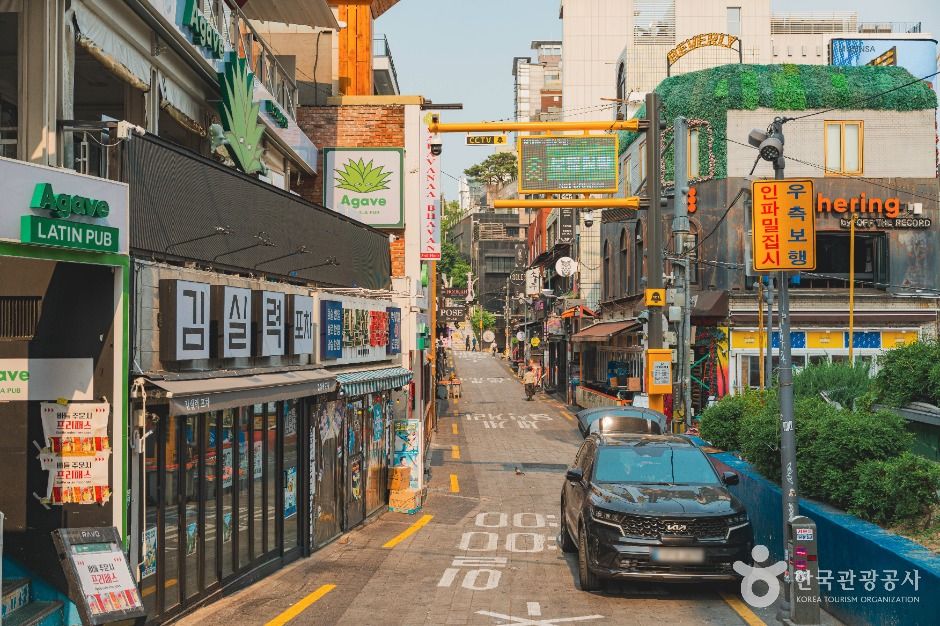
Itaewon: everyday streets around a meeting of cultures
Walk Itaewon-ro and the Usadan hillside with attention to food, faith and the people who live here.
Read the story ↗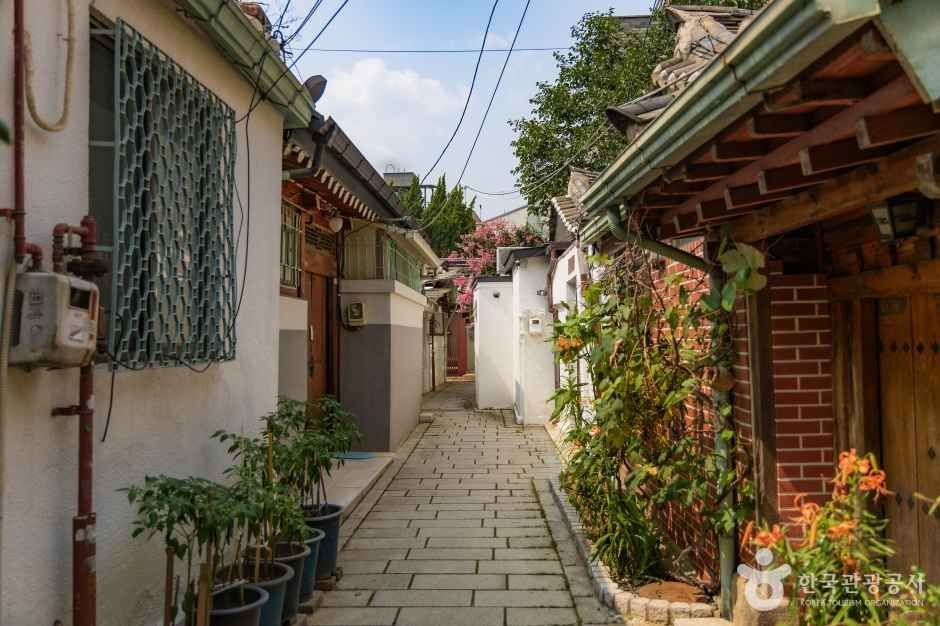
Seochon: homes, artists and the foot of Inwangsan
Read the old lanes west of Gyeongbokgung through a market, a hanok cultural space and an outdoor valley.
Read the story ↗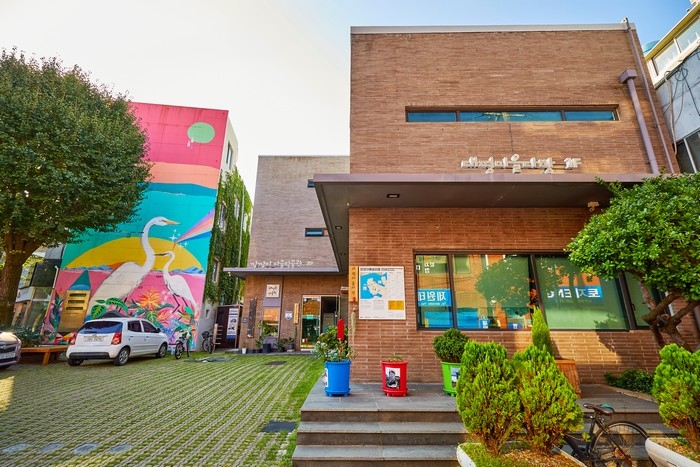
Daepyeong-dong: the working waterfront of Yeongdo
Find the ship-repair history behind Kangkangee Art Village without treating working yards as a visitor attraction.
Read the story ↗Image credits & terms
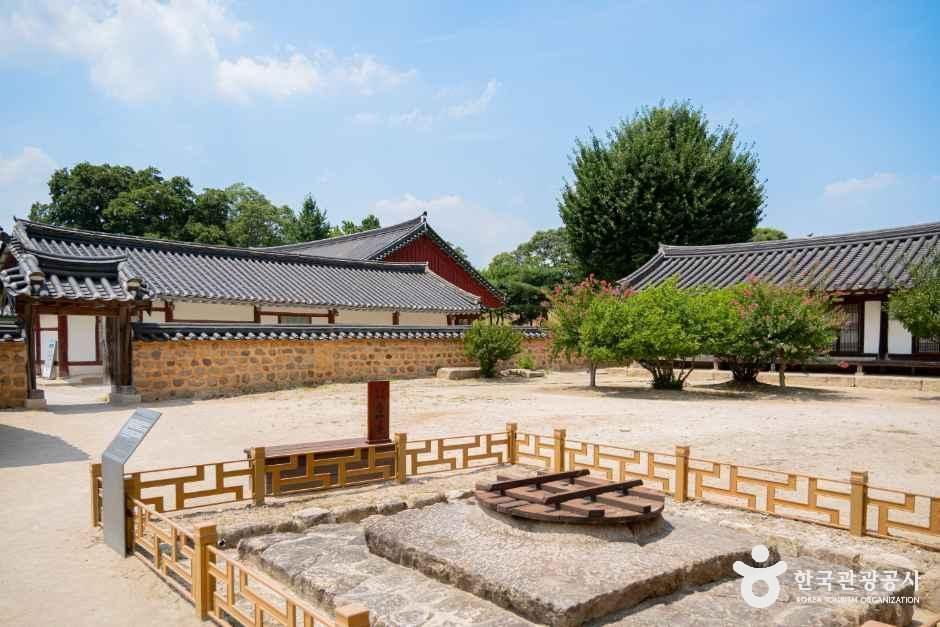
A well in a traditional courtyard in Gyochon
Korea Tourism Organization (한국관광공사) / TourAPI · KOGL Type1 · Source ↗
Original photograph, unchanged bytes; preserve full aspect ratio
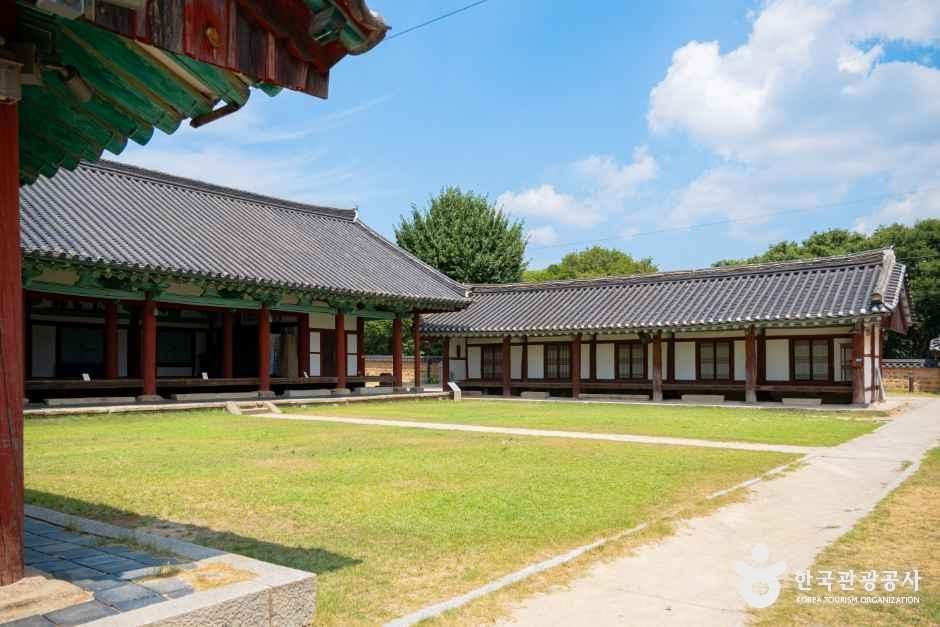
Traditional buildings and courtyard in Gyochon
Korea Tourism Organization (한국관광공사) / TourAPI · KOGL Type1 · Source ↗
Original photograph, unchanged bytes; preserve full aspect ratio
Shrine courtyard at Gyeongju Hyanggyo
Korea Tourism Organization (한국관광공사) / TourAPI · KOGL Type1 · Source ↗
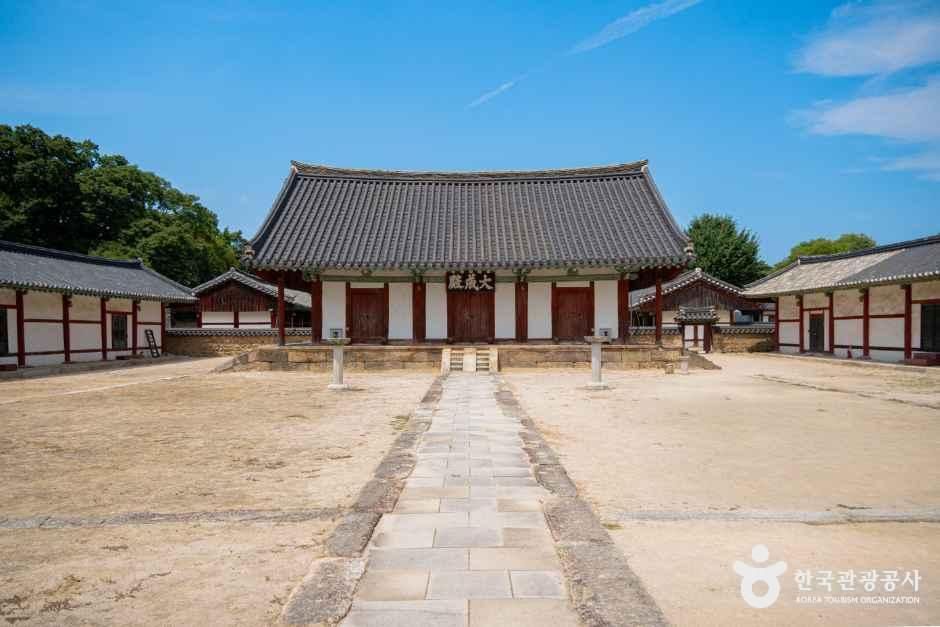
Original photograph, unchanged bytes; preserve full aspect ratio